
It was perhaps 15 years ago, when I first heard about the High Coast, located somewhere in Sweden and in the northern part of the Baltic Sea area. It sounded amazing that there would be an area in the Baltic Sea where one can sail among the mountains. Previously I had thought, that this was something that can only be done in Norway or Scotland in the Northern Europe.
The High Coast is located in the western shore of Gulf of Bothnia, in the northeastern coast of Sweden. The area is located between N 62° 36´ and N 63° 16´ latitudes and roughly inside the triangle Härnösand-Kramfors-Örnsköldsvik. Actually, the scenery in the mainland continues high almost as far as Gävle in the south, but it is the high islands and coastline, that make the High Coast so unique in this part of the eastern coast of Sweden.
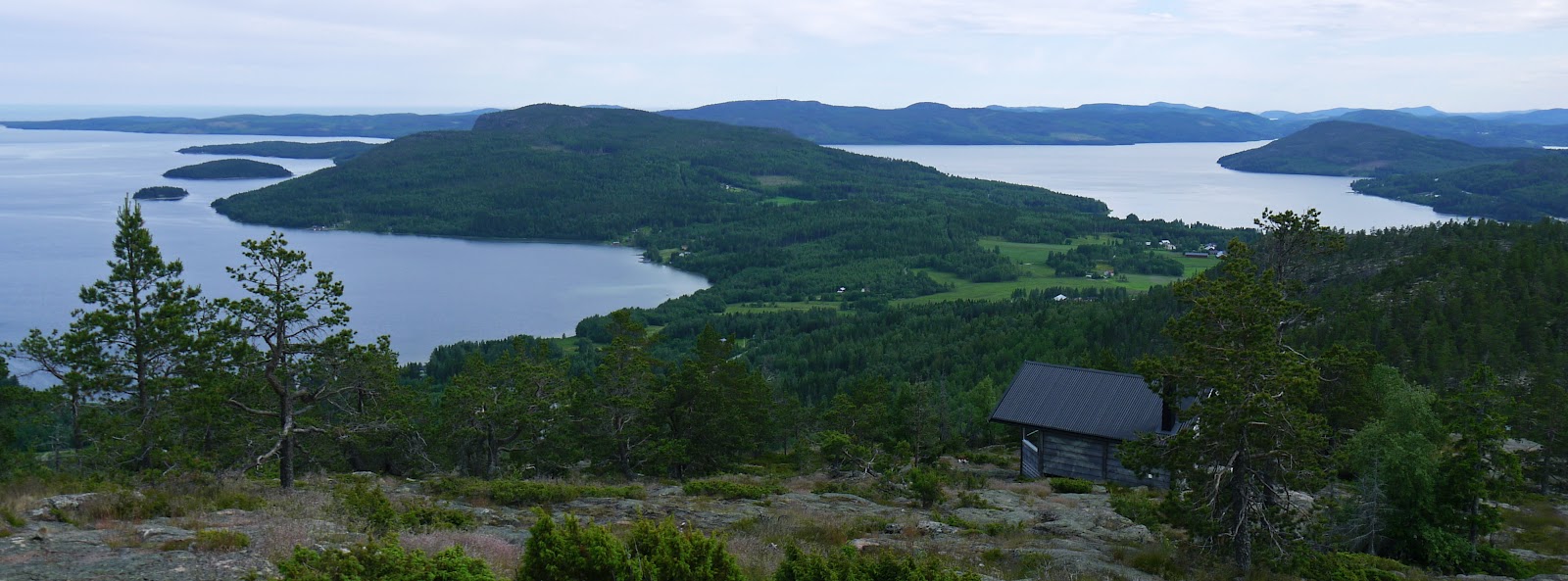
The nature in this area has been affected by the latest glacial period, when the land masses were depressed by the weight of a huge glacier. After the ice age, the land started rebounding and is now rising at rates that are among the highest in the world. On top of the Skuleberget mountain, there are marks of the highest historical marine level in the world, 286 meters over the current sea level. Thus most of the High coast has previously been sea bottom. The Skuleberget also offers the best views over the High Coast coastline and archipelago. The waterway leading to Docksta, which we used as a base camp for visiting Skuleberget, is very beautiful and resembles Norwegian fjords with hills rising from the sea to over 200 meters.


Fishing villages
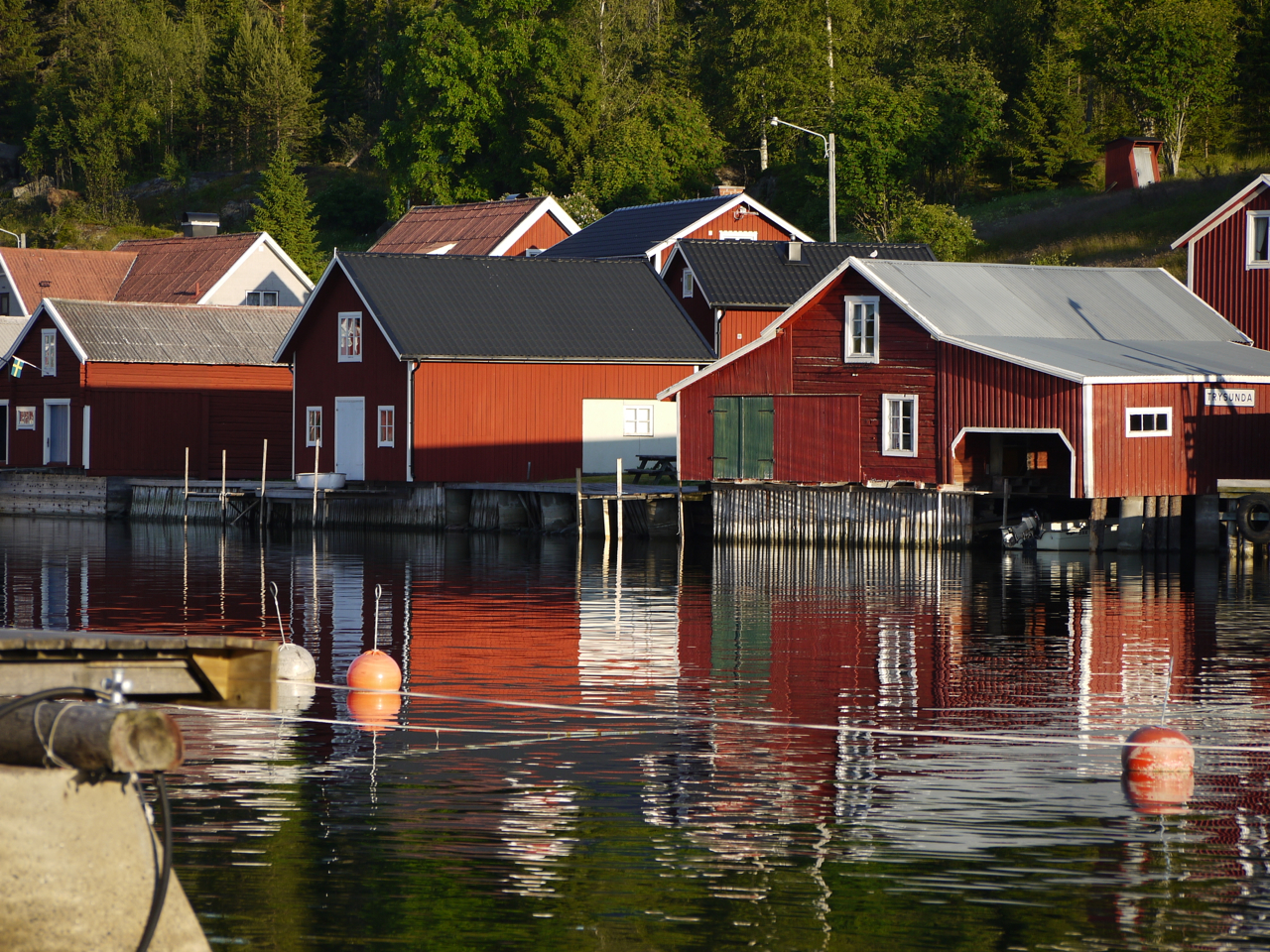
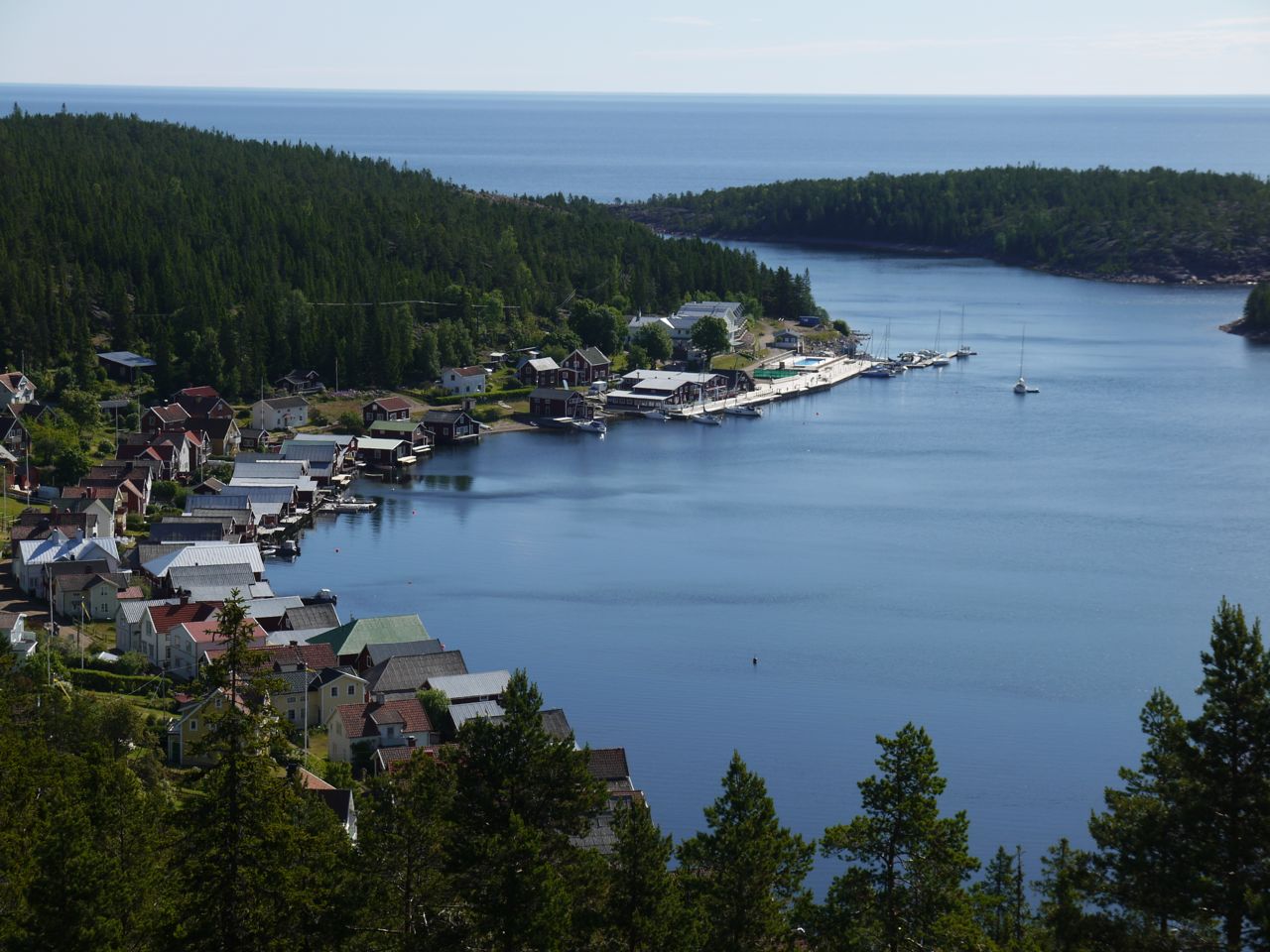
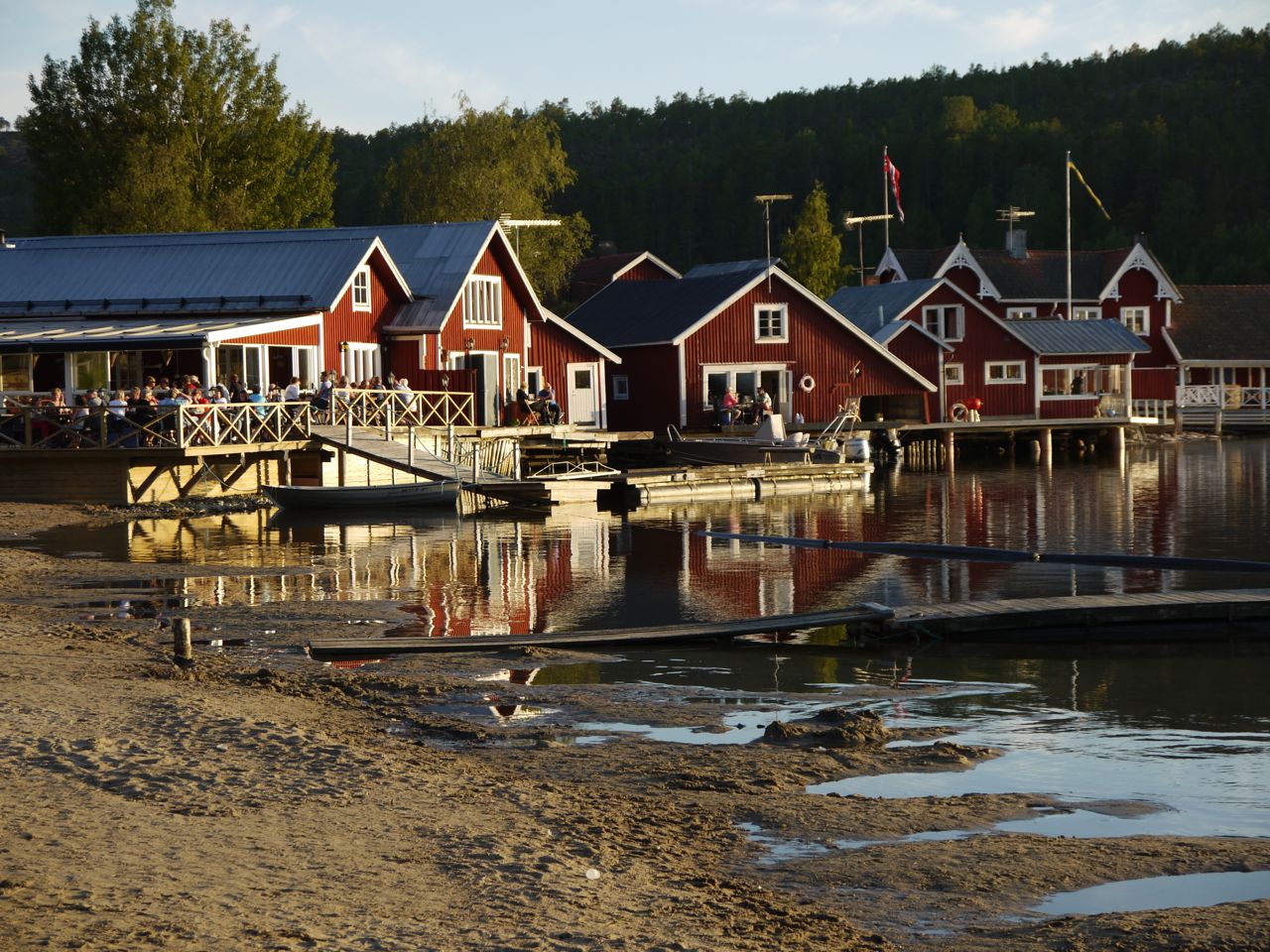
In the year 1557 the fishermen from Gävle (Gävlefiskarna) got a privilege granted by the king to fish along most of the Norrlandskusten, which is the coastal area from Gävle to all the way to Haparanda next to the Finnish border. Gävlefiskarna held the privilege through the 17th and 18th century and set up many fishing villages along the coast, which they used during their long fishing trips to the north during the summer season. Therefore, the villages along the coast are very uniform in style, and the lines of red wooden boat sheds can be found almost in every village.
Tranquil atmosphere
One of the good things in the High Coast is, that it is less crowded during the summer season compared to the Stockholm Archipelago for example. We spent the first week of July in the High Coast and there were always vacant places in harbours. One reason for this might be that season starts later in the north. We also heard from the locals, that due to the bad weather, there were less boats than normally at this time of the year. The only exception was Trysunda, perhaps the most popular harbour in the area, which was almost full in the early afternoon. But as one local boater put it, there is always room for one more boat
And last but not least, we found the people in the High Coast to be very friendly and helpful. Maybe because the rhythm of life is a bit calmer than in the south. Furthermore, local boaters are always willing to help first-time visitors in finding the best anchorages and harbours to visit.
/Antti