Last December, when blogging about our maintenance schedule for this winter, I wrote that most probably new things will come up, once we start digging deeper.
Unfortunately, this turned out to be too true — we recently found out that there is water inside DD’s keel! However, this unpleasant finding was not totally unexpected, since last spring, I noticed some condensation on certain areas on the keel when the air temperature was close to zero. I noted down those areas, but I did not want to speculate it too much then: further investigation would have involved drilling holes into the keel, since the moisture meter is not reliable in the keel area. As the sailing season was just round the corner, I decided to leave further investigation for this winter.
The reason for the mysterious condensation became more obvious, when I took a closer look of the bilge: the back corner was looking suspicious since it stayed wet, even if I had dried it just a few days earlier. Furthermore, I found out that a part of the topcoat was missing in the back corner of the bilge. I am not sure if this defect has been there since new, but it was really difficult to spot, since the bilge pump hose was blocking the vision. Only when I lifted the hose, I could get a proper view of the whole bilge sump. Over the years, there has probably been some bilge water standing there. This is the negative side of having a very deep bilge: the bottom of the sump is difficult to reach and the pump, or even the drain plug, does not dry the far end of the bilge. The water in the bilge has probably, over a very long period of time, seeped into the keel.
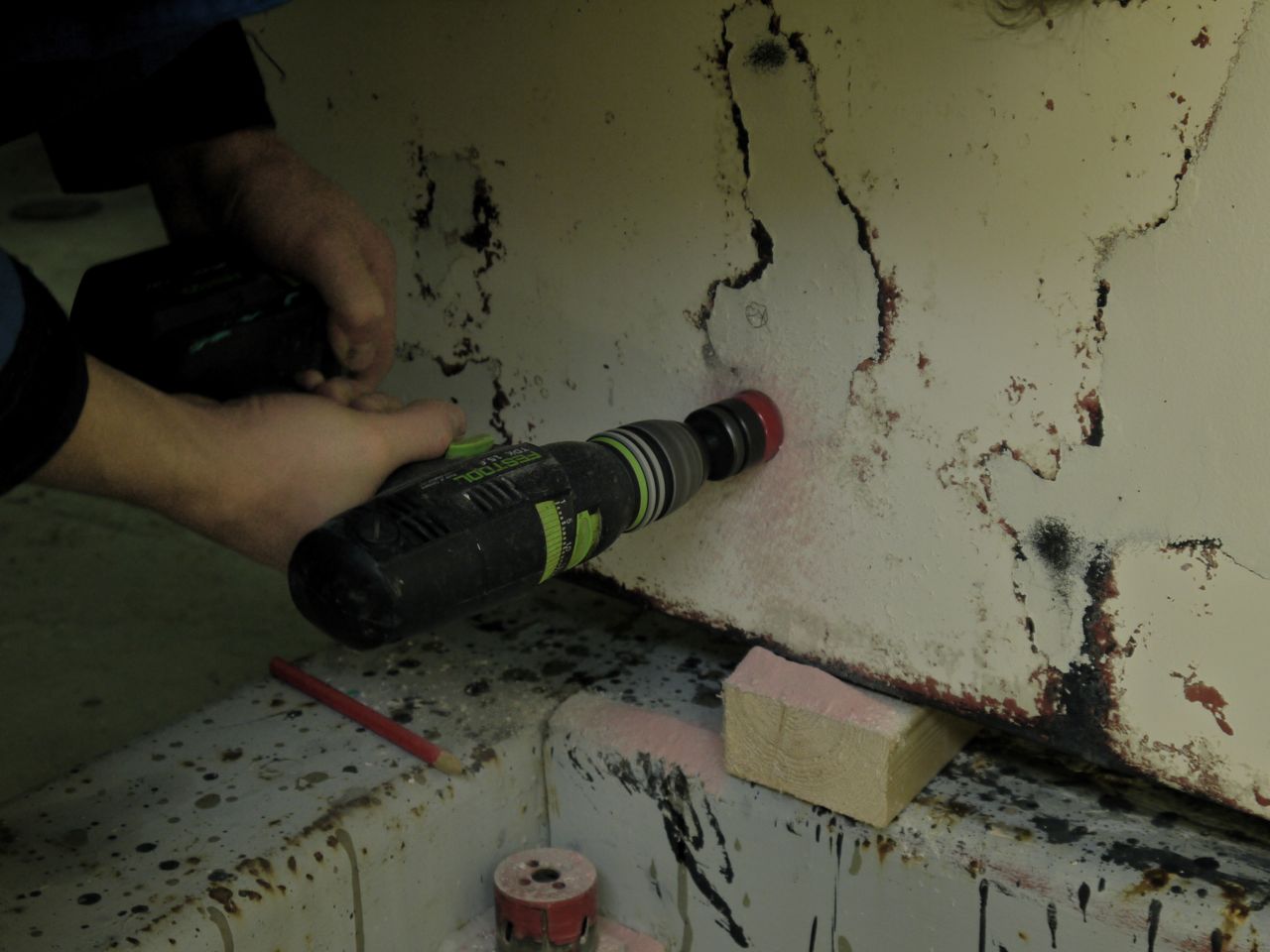
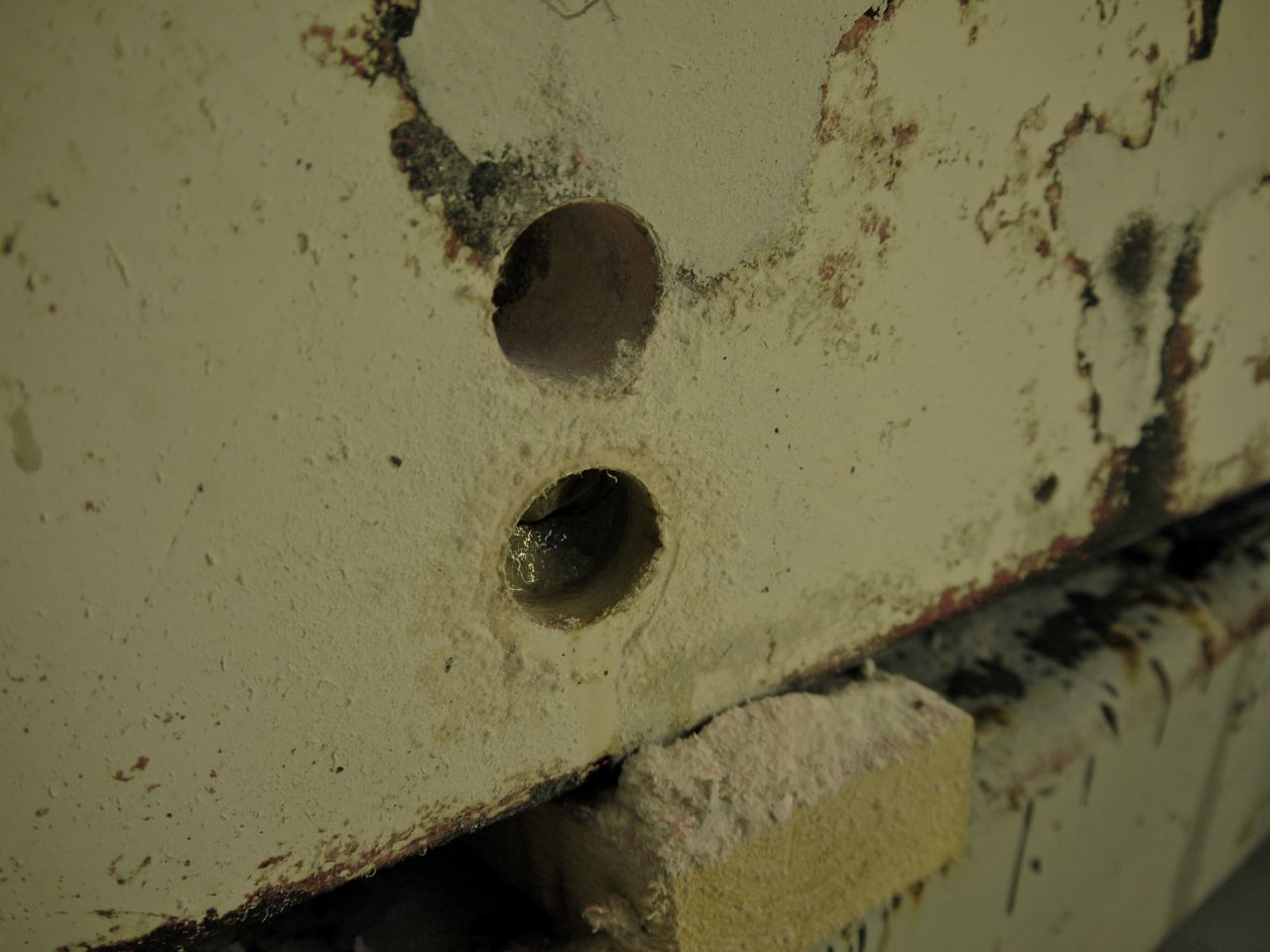
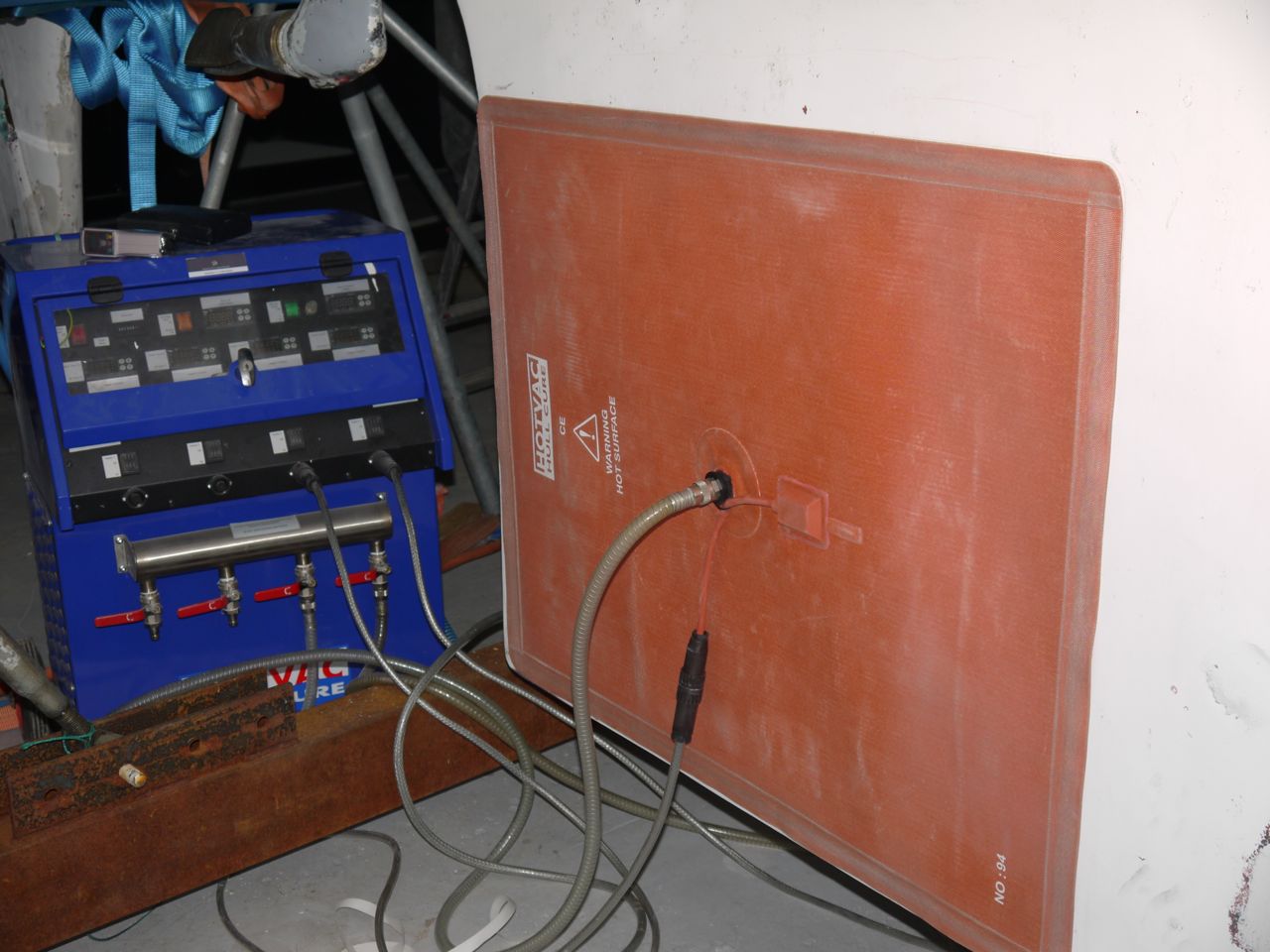
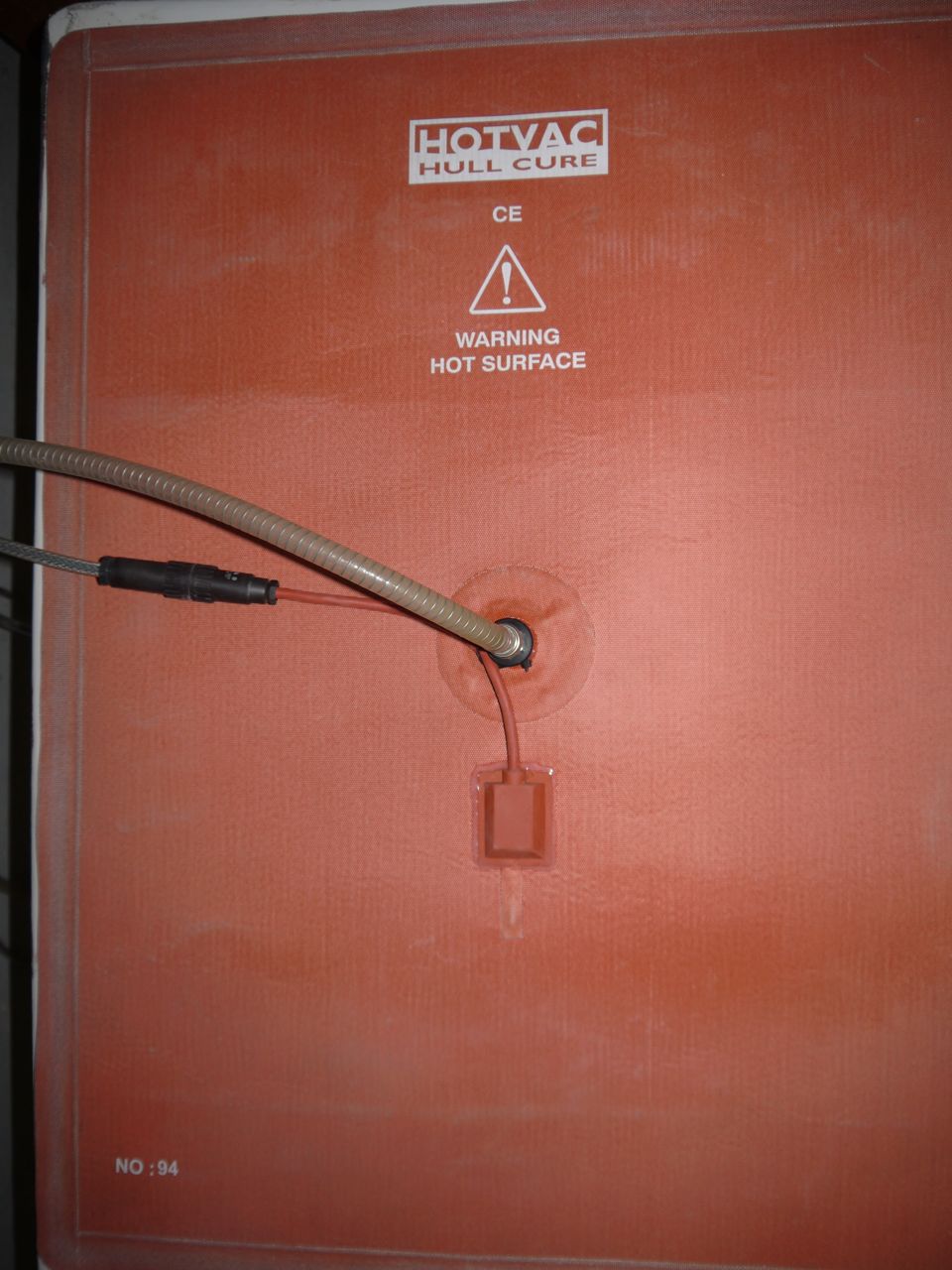
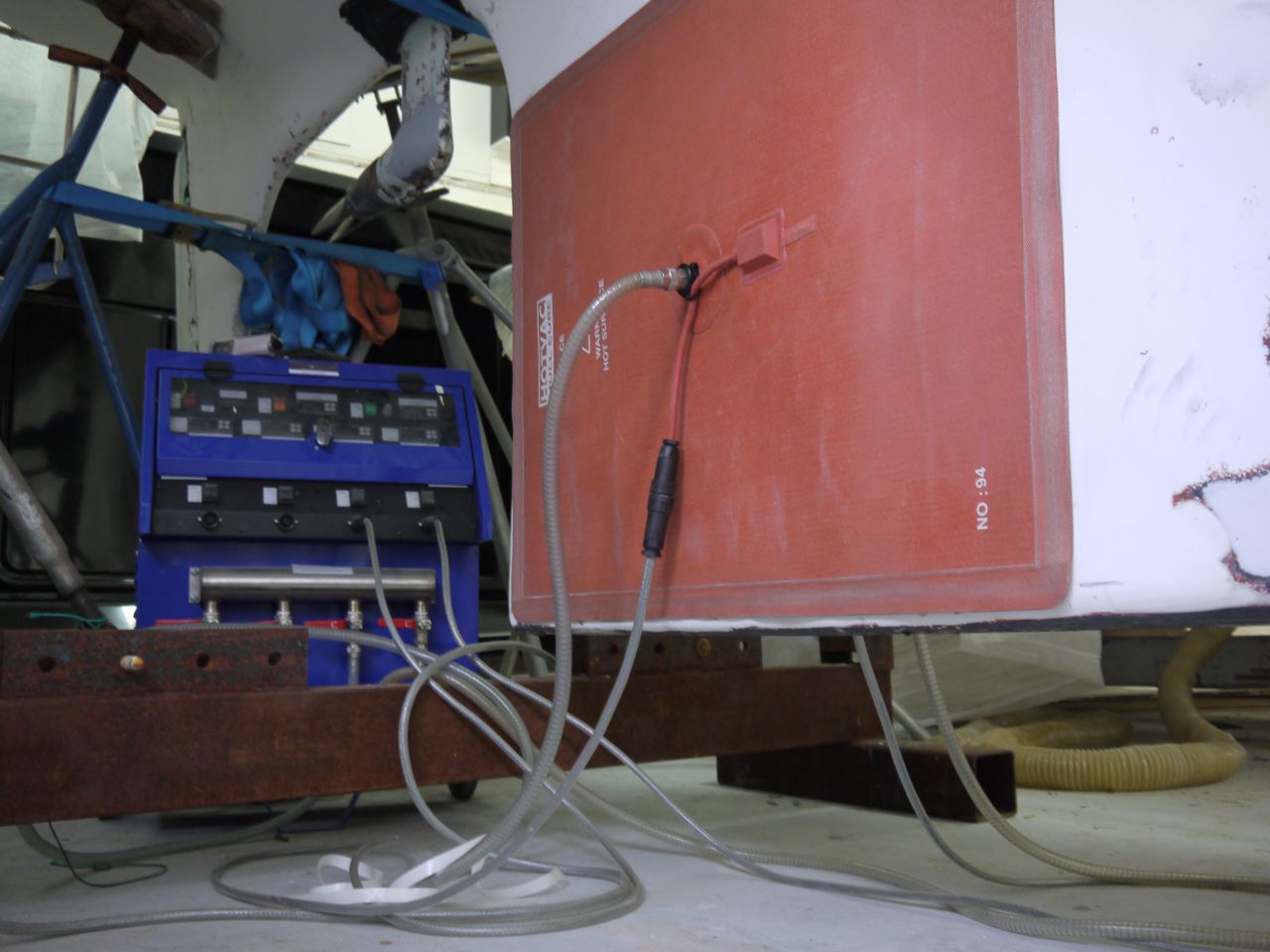
At first, Jarkko set up a vet vacuum machine to the holes to get the most of the water out. After this was completed, he set up his HotVac-pads on the keel. To my knowledge, the HotVac Hull Cure is the most advanced method of drying up fiberglass laminate and it is used widely in osmosis repairs for example. The HotVac pad applies controlled, uniform heat and high vacuum to the affected area. This treatment should also get DD’s keel completely dry. After the treatment, the holes will be filled and re-laminated, and the bilge re-coated. I will report about the progress of this repair later in the spring.
Wow, That's never a nice thing to find out. I don't know if you guys have ever published how much you spend on fixing your boat each year. Would be nice to know how much this will be costing. Some of this kind of repairs unfortunately don't come cheap. Hope you get it fixed soon.
Thanks Vellamo, it is definitely too much! Both in terms of money and time spent. We do not actually know for sure, how much this is going to cost, but might be publishing some figures later on. Perhaps, the most expensive single cost item is wintering indoors, so we try to make the most out of it this winter. Of course this kind of refit project is expensive, but if you compare this to the price of a new boat, it is just a fraction of the cost. So if this project extends the lifetime of the boat, I think that it is worth it.
Timo, you're right, nasty project indeed 🙂 Just one of the pleasures of owning an old boat. I wonder, who was the genius who initially invented to put a fiberglass keel in a sailboat?
Sounds like a nasty little project, but it seems that you are in good hands. Not to mention the work environment, of which I'm very jealous of course.
In a way it's good to have a basic iron keel coated with only epoxy primer – what you see is what you get! But cast iron really sucks, too. Guess how I know?
Hello Antti, great blog! Nice to see your trips and also the work you put on your boat.
A friend and I are planning to do some sailing too with our Albin Vega 27 in Malmö. I think we have exactly the same problem as you described, as we noticed water coming out of the fiber when sanding the bottom, but only in that small portion of the long keel that sits below the bilge.
So I'm wondering, how did the repair you showed worked for you? Did it stop the problem completely?
We are thinking about different solutions right now, and it would be interesting to know how that solution worked for you.